
Index
- What are blackheads?
- Why do blackheads appear?
- Types of blackheads and how to recognize them
- Classic blackheads (open blackheads)
- Sebaceous blackheads
- Internal blackheads
- Factors that aggravate their appearance
- Use of products not suitable for your skin type
- Excessive cleaning or aggressive products
- Sleeping with makeup
- Continuous exposure to pollution
- Climate changes Sudden climate changes
- How to prevent blackheads at home
- Key daily habits
- Adaptation according to skin type
- Most effective home and natural remedies
- Herbal facial steam
- Green clay or bentonite mask
- Baking soda
- Pure aloe vera
- Honey and cinnamon
- Daily facial care routine
- Morning
- Evening
- Conclusion
- Frequently asked questions
What are blackheads?
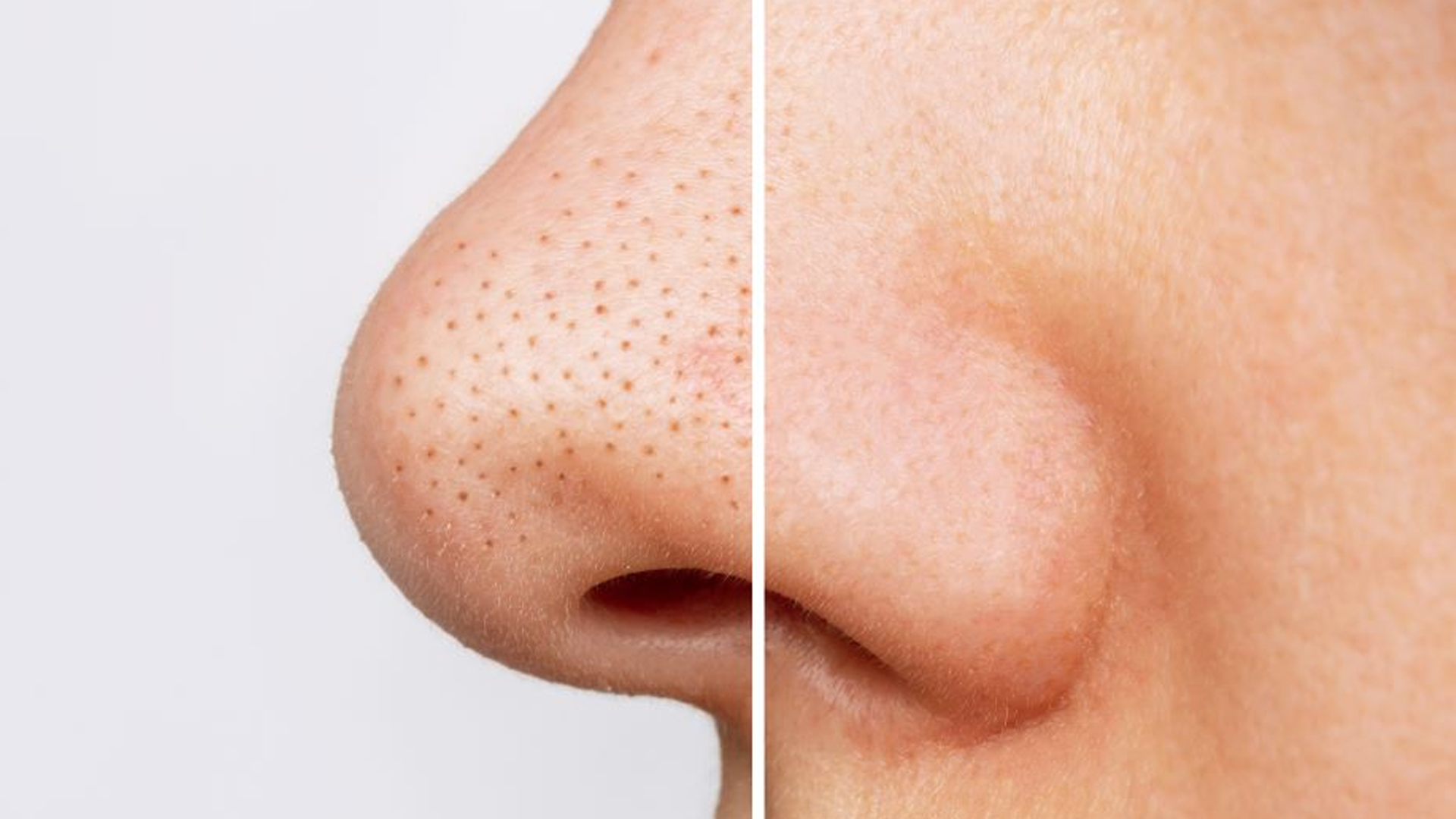
Blackheads, also known as open comedones, are small dark bumps that appear on the surface of the skin, mainly on the T-zone of the face (forehead, nose and chin). They form when pores become clogged with a mixture of sebum (natural skin oil), dead skin cells and environmental debris. Unlike pimples, blackheads are not inflamed, but their dark color is due to the oxidation of sebum when it comes into contact with air.
Although they do not represent a serious health risk, their presence can affect the appearance and texture of the skin, causing aesthetic discomfort. For this reason, it is common for many people to look for effective and natural ways to prevent and treat them without resorting to aggressive products.
Why do blackheads appear?
The appearance of blackheads is related to a number of internal and external factors. Here are the most common:
- Overproduction of sebum: Overactive sebaceous glands tend to clog pores easily.
- Dead cell buildup: If you don’t exfoliate your skin regularly, dead cells can block pores.
- Use of comedogenic products: Some makeup, creams and sunscreens can clog pores.
- Hormonal changes: During adolescence, the menstrual cycle or pregnancy, the skin tends to produce more oil.
- Pollution and poor cleansing habits: Not removing makeup or not washing your face after being outdoors can promote clogging.
Your environment and lifestyle also play a role. Factors such as a diet rich in fat, stress or even climatic changes can favor the appearance of these annoying spots.
Types of blackheads and how to recognize them
Although we often refer to them all as “blackheads,” they are not all the same. Identifying the different types can help you apply the right treatment and improve results. Here are the main ones:
Classic blackheads (open comedones)
These are the most common. They appear when a pore becomes clogged with oil and dead cells. When exposed to air, the sebum oxidizes and acquires a characteristic dark color.
- Where they appear: Nose, forehead, chin.
- Texture: Slightly raised, not painful.
- Color: Black or dark brown.
Sebaceous blackheads
They are similar to the classic ones, but instead of being due to obstruction, they are formed by an excessive secretion of sebum that accumulates in the follicle without actually being clogged.
- Where they appear: Nose and cheeks.
- Texture: Softer to the touch.
- Color: Grayish or white with a dark center.
Internal blackheads
These are not visible to the naked eye, but can be felt to the touch as small balls under the skin. They are deeper and difficult to remove without professional help.
- Where they appear: Cheekbones, chin.
- Texture: Hard to the touch.
- Color: Normal skin surface, but with internal obstruction.
Factors that aggravate their appearance
In addition to natural causes, there are certain external habits and conditions that can worsen the problem. Here is a list of factors to avoid or control if you want to keep your skin free of blackheads:
1. Use of products that are not suitable for your skin type
Many people make the mistake of using very greasy creams or cleansers, especially if they have combination or oily skin. This only contributes to clogging pores and creating more blackheads.
2. Excessive or harsh cleansing
Cleaning your face too often or with harsh soaps can cause a rebound effect: the skin produces more sebum to compensate for dryness, resulting in more clogged pores.
3. Sleeping with makeup on
This is one of the most common mistakes. By leaving cosmetic products on the skin overnight, pores become blocked and sebum cannot escape properly.
4. Continuous exposure to pollution
Dust, smoke and suspended particles accumulate on the skin and can penetrate the pores if not removed in time. It is therefore essential to cleanse the face thoroughly after being outdoors.
5. Sudden climate changes
When the climate varies greatly, the skin needs to adapt. In humid climates, it produces more oil; in cold climates, it dries out. Both situations can favor blackheads. Here are some tips for maintaining healthy skin during climate changes.
How to prevent blackheads at home
Preventing blackheads doesn’t necessarily require expensive treatments or frequent visits to the dermatologist. In fact, with the right routine and a few natural ingredients, you can keep your skin clean, balanced and free of clogs from the comfort of your own home.
Key daily habits
Here’s a list of effective daily habits to prevent blackheads:
- Gentle facial cleansing: Removes excess sebum and pollutants.
- Moisturizing with light products: Maintains balance without clogging pores.
- Exfoliation 1-2 times a week: Removes dead cells that block pores.
- Do not touch the face with your hands: Avoids transferring bacteria and dirt to the skin.
- Daily use of sunscreen: Protects the skin from damage that can alter sebum production.
Adaptation according to skin type
It is essential to use products and remedies that suit your skin type:
- Oily skin: Look for cleansers with salicylic acid and astringent toners.
- Dry skin: Use mild sulfate-free cleansers and non-comedogenic moisturizers.
- Combination skin: Balance care, using specific products for each area of the face.
Incorporating these habits helps not only to prevent blackheads, but also to maintain a healthier, more even and luminous complexion.
Most effective home and natural remedies
If you prefer to avoid industrial products and go natural, there are several home remedies that you can apply safely and effectively. Here are the best natural remedies to combat blackheads.
1. Facial steam with herbs
Steam opens the pores and facilitates the elimination of impurities. You can add chamomile, mint or rosemary to enhance its purifying effect.
How to use:
- Boil water and pour into a bowl.
- Add a handful of dried herbs.
- Cover your head with a towel and lean over the bowl for 10 minutes.
2. Green clay or bentonite mask
Clay is excellent for absorbing impurities and regulating excess sebum.
Preparation:
- Mix 1 tablespoon of clay with water or apple cider vinegar.
- Apply to the T-zone and leave on for 15 minutes.
- Remove with warm water and pat dry.
3. Baking soda
Acts as a gentle exfoliant and helps unclog pores.
Use:
- Mix 1 teaspoon of baking soda with a few drops of water to form a paste.
- Massage in circular motions and rinse well.
4. Pure aloe vera
Aloe vera cleanses, softens and reduces sebum production, as well as having antibacterial properties.
Tip: Use natural gel directly from the plant and apply as a night mask once a week.
5. Honey and cinnamon
Honey has antibacterial properties and cinnamon stimulates circulation.
Application:
- Mix 1 tablespoon of honey with ½ teaspoon of cinnamon.
- Apply on face for 10-15 minutes and rinse with warm water.
In addition to being effective, these remedies are easy to prepare and do not contain chemicals that can irritate your skin.
If you have already visited a spa and wish to maintain the effects at home, it is highly recommended to follow these care guidelines. Here is a detailed guide on how to take care of your natural beauty at home after a spa treatment.
Daily facial care routine
Having a consistent facial routine adapted to your skin type is one of the pillars to prevent blackheads. Beyond occasional treatments, it is consistency that will make the difference.
Here is a recommended step-by-step daily routine, ideal for keeping pores clean, skin balanced and free of imperfections.
Morning
- Gentle cleansing: Removes nighttime oil and prepares the skin.
- Alcohol-free toner: Refreshes and balances pH.
- Antioxidant Serum: Protects against pollution and oxidative stress.
- Light moisturizer: Moisturizes without clogging pores.
- Sunscreen (SPF 30 or higher): Prevents sun damage and skin imbalance.
Night
- Make-up remover or cleansing oil: Removes make-up and sunscreen.
- Gel or foam cleanser: Deep cleanses without drying.
- Exfoliation (twice a week): Removes dead cells and prevents clogging.
- Toner and night serum: Regenerates and prepares the skin for rest.
- Moisturizing cream or light mask: Moisturizes and repairs overnight.
Extra tip: Change your pillowcase every week and clean your makeup brushes regularly to avoid bacteria buildup that can lead to breakouts or blackheads.
Conclusion
Blackheads may seem like a constant battle, but with the right knowledge and a proper skin care routine, it is possible to prevent them from appearing at home. The key is to be consistent, avoid harsh products and tailor each step to your skin’s specific needs.
Understanding what blackheads are, how they originate and what factors make them worse is the first step. Then, implementing an effective routine of cleansing, moisturizing and natural treatments can make a big difference. Also, don’t underestimate the power of home remedies and daily self-care to keep skin healthy, clear and radiant.
Frequently asked questions
- What is the difference between blackheads and whiteheads? Although they are often used synonymously, blackheads and whiteheads are not the same thing. Blackheads, or open comedones, form when a pore is clogged with sebum and dead cells, but remains open, allowing the contents to oxidize and turn dark. On the other hand, blackheads (or closed comedones) occur when the pore is closed from the top and sebum is trapped inside, creating a white bump.
- Is popping blackheads a good idea? No. Although it may seem like a quick fix, popping blackheads can do more harm than good. By applying pressure with your fingers or fingernails, you can irritate pores, cause micro-injuries or even introduce bacteria, which can trigger infections or inflammation. In addition, doing so repeatedly can leave permanent stains or scars. Instead of squeezing them, it is better to opt for safe methods such as:
- Facial steam to open pores.
- Clay masks that absorb impurities.
- Mild chemical scrubs with salicylic acid.
- Can I have blackheads even if I have dry skin? Yes, it is possible. Although blackheads are more common in oily or combination skin, people with dry skin can also suffer from clogged pores. This happens mainly if you don’t exfoliate your skin regularly or if you use products that contain oils or comedogenic ingredients. In dry skin, the key is to maintain proper cleansing, use gentle exfoliants (such as enzymatic or lactic acid) and apply light moisturizers that do not clog pores.
- How often should I exfoliate to avoid blackheads? Exfoliation is essential to prevent the accumulation of dead skin cells and, therefore, blackheads. However, the frequency depends on your skin type:
- Oily or combination skin: 2 to 3 times a week.
- Normal skin: 1 to 2 times a week.
- Dry or sensitive skin: 1 time per week, using gentle exfoliators.
- How long does it take to notice improvement when treating blackheads at home? This depends on the initial condition of the skin and consistency of treatment. In general, visible improvements can be noticed after 2 to 4 weeks of following a consistent routine. Factors that influence the speed of results include: Type and amount of blackheads, whether daily care is combined with natural masks, diet and lifestyle, proper use of non-comedogenic products, etc. Remember that prevention is a continuous process and that healthy skin is the result of small steps.